The Ellis Park revival giving Joburg kids a shot
· Citizen
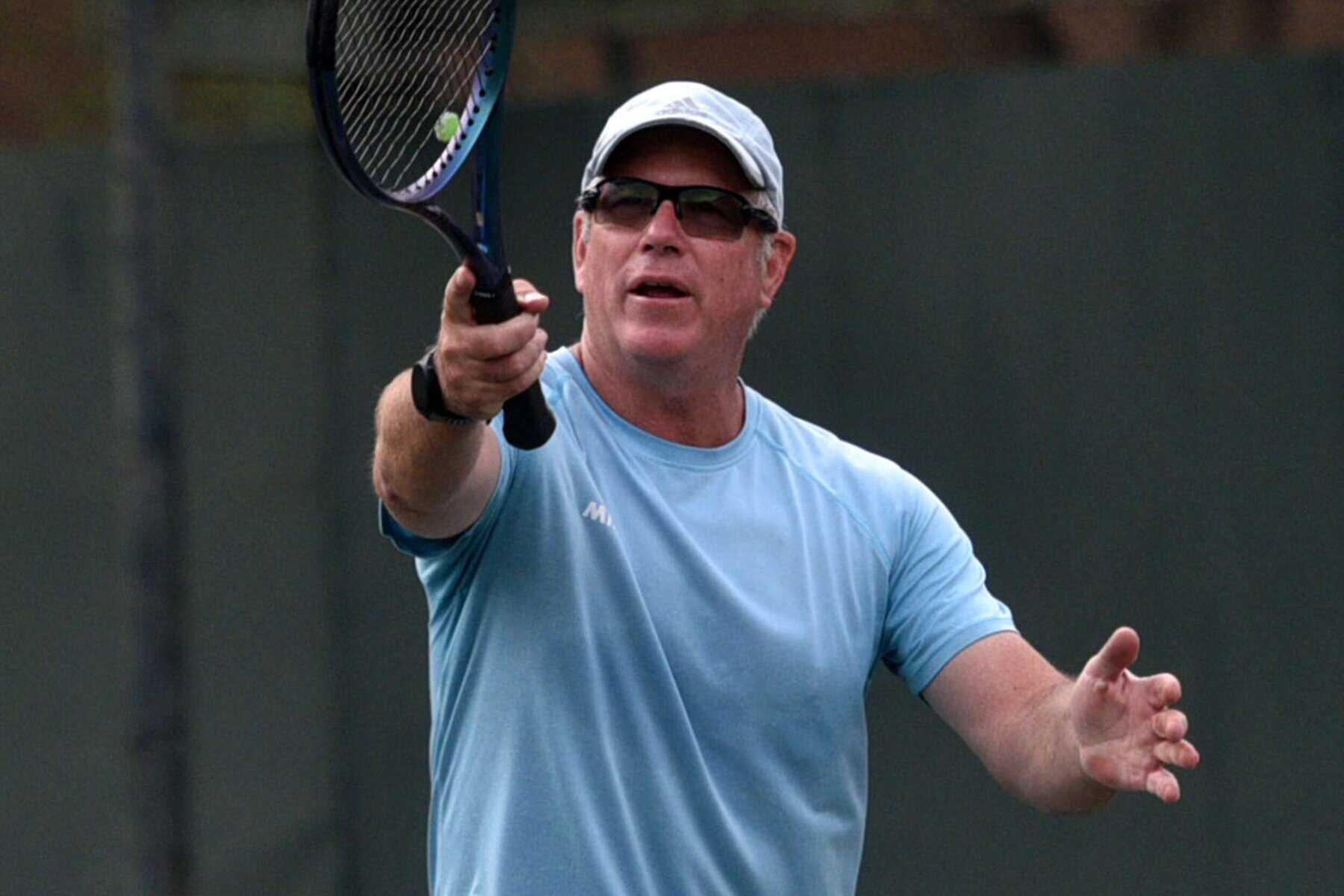
Give Alex Galanakis a racquet and a court, and he is smiling all the way to his next ace. Give him 17 courts, a group of children and the opportunity to revive a sporting precinct that has seen better days, and he is in Wimbledon heaven.
He’s a man with a passion, and ergo, his mission is to teach tennis and simultaneously breathe new life into Ellis Park’s long-forgotten tennis facilities. Galanakis believes that young people, when given a measure of structure, attention and a decent venue to show up to, can touch the stars.
Visit rouesnews.click for more information.
“Tennis has never just been a game to me,” he said. “It’s been a vehicle for growth, learning discipline and opportunity. I first picked up a racquet at 12,” he said. “Later than most, but the game stayed with me. It became about more than playing; it became about what it could do for others.”
That’s why he founded the Joburg Tennis Grassroots Foundation at Ellis Park. He wanted to pass on critical life skills to underprivileged youth, and uses tennis as the vehicle.
Passing on life skills
Galanakis started the foundation just over a year ago. While teaching History and English at a nearby high school, his commute passed the Ellis Park Tennis Centre almost daily. He said that he kept seeing the same contradiction: empty courts on one side and schools full of children with limited access to proper sporting facilities on the other. “The gap was obvious,” he said, “and over time it became difficult to ignore.”
Changing lives. Galanakis with his cohort. Picture: Nigel Sibanda / The CitizenAfter seeing the divide too many times, he decided to do something about it. And Galanakis didn’t just dip his toes into it, he dived in wholly. He started by speaking to people within tennis structures, researching grassroots programmes and building support around the idea that the overgrown courts could be used again. With backing from Joburg Tennis, the foundation took shape, and by the end of 2024, he had quit his other love, teaching, to focus on it full-time.
ALSO READ: Inside artist Godfrey Majadibodu’s studio
Thirteen months is a relatively short time, but already more than 180 children have been through the programme in its first year. Sessions run three afternoons a week. Children are given tennis takkies, racquets and caps, taken through warm-ups and drills, and then split into groups according to ability.
Beginners focus on the basics while stronger players are pushed further. He said the process is not complicated but is consistent, and that consistency is where changes start to show in young people.
Consistency creates change
“It is wonderful to see a young kid pick up a racquet and hit a ball,” Galanakis said. “You can see their eyes light up, the body language change and the self-confidence grow.”
It gives children a place to build confidence in an environment and a globally connected world that expects output. Many of the children, he said, have their first exposure to structured activity, and that alone begins to impact how they see themselves.
Teachable moments. Picture: Nigel Sibanda/ The CitizenGalanakis waxed lyrical about the first few cohorts that have already been through the school. “They were the pioneers, and one day, as we grow, they can look back and say that they helped build this foundation,” he said.
Concomitant with the social impact, the centre’s geography is equally important. It forms part of the inner city sporting precinct that, apart from rugby, has not seen much action for some time.
Ellis Park’s tennis centre used to host the South African Open, but, Galanakis said, over time, it became nearly obsolete. Bringing the courts back into use is not only about the teaching aspect of his foundation, but he also said, It is about using a space that was left behind and making it work again. It’s a double-whammy win for him and a positive counter to the risk of further urban decay setting in.
Reviving urban decay
Presently, Galanakis runs three coaching sessions a week, but he said he wants to grow the programme, especially because there’s so much talent about. “Two hours practice a week just isn’t enough,” he said.
He wants to see more time on court, more structured coaching and opportunities for players to compete in tournaments. “That will require more funding for coaching, transport and equipment, along with support for players who show potential,” he said. It’s the next milestone in his crosshairs.
NOW READ: People identifying as dogs? The truth about Furries