The reality of black families
· Citizen
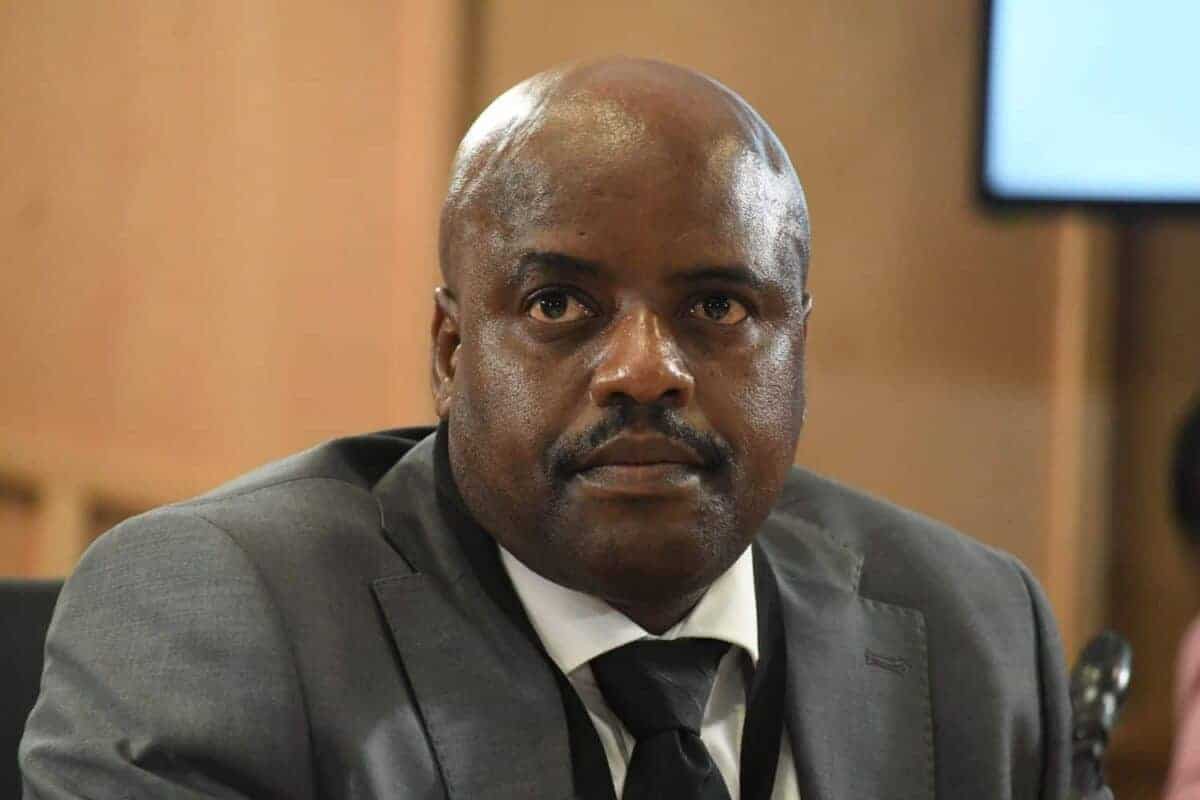
The black family unit came into focus at the Madlanga Commission of Inquiry.
Visit palladian.co.za for more information.
We watched as Ekurhuleni Metro Police Department deputy chief Julius Mkhwanazi felt great discomfort as his family tree was discussed.
Its make-up and some age gaps were questioned. But commissioner Sesi Baloyi came to Mkhwanazi’s rescue, confirming that most black families are not nuclear in nature.
And he is right: it is common practice that a grandmother or aunt are passed on as a mother. In rural settings, a father whose infidelity bears a child, has his wife raising the child as her own – biology blurred.
The question of how a family is constructed and who takes up what position within the family is a debate.
We have seen children go into schools with just their grandmother, no mother or father present.
This is the reality of black families, so as unnatural as Mkhwanazi’s family may seem to some, it is quite normal to others.
Black communities find themselves at a critical point where long-standing, undocumented ways of forming families are being called into question.
From the registration of births to the formal recognition of identity, there is an increasing demand for legitimacy in black-and-white on paper, within systems, and in law.
What was once sustained through trust, custom and community acknowledgment is now being tested against administrative requirements that many were never prepared for.
This shift has exposed gaps that affect access to rights, services and dignity. It is no longer sufficient to rely on informal structures when the world demands documented proof of existence and belonging.
This is the conversation that must be had: how to reconcile cultural realities with institutional expectations, ensuring that identity, family and legitimacy are not denied simply because they were never formally recorded.
Black families continue to struggle for recognition within systems shaped by Western norms, where formal processes often determine access to social assistance and dignity.
The challenge lies in bridging this divide; finding ways to honour cultural practices, while ensuring they are acknowledged within formal structures.
True progress will only come when different ways of living together as a family are not erased, but recognised and accommodated.