Jet Fuel Supply Squeeze May Push Airfares Up 20–25%, Warns McKinsey Report
· Free Press Journal
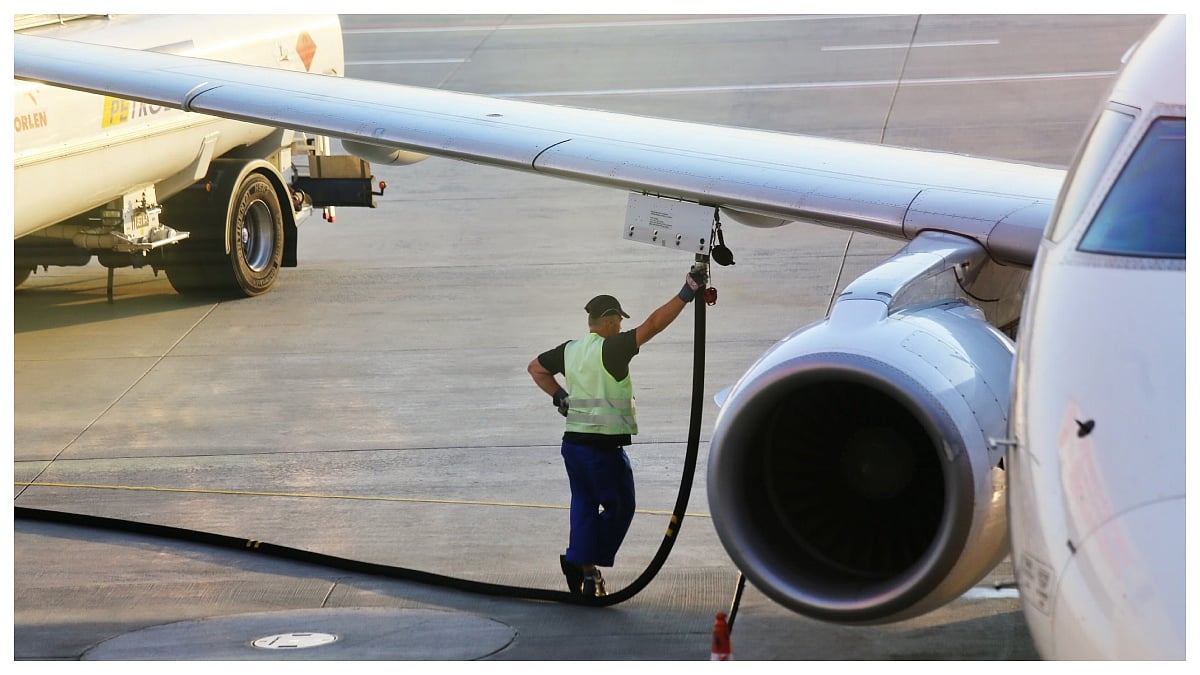
A combination of geopolitical disruptions and structural refinery constraints is tightening global jet fuel supply, increasing airline operating costs and potentially leading to higher airfares, according to a McKinsey report.
The report notes that jet fuel demand is expected to rise ahead of the peak summer travel season, even as global inventories remain depleted.
Visit turconews.click for more information.
While crude oil price movements have already pushed fuel costs higher, additional pressure is coming from restricted supply, particularly from major Gulf-region and Asian exporters that together account for nearly 40% of global jet fuel output.
This imbalance is reflected in the jet fuel “crack spread”—the difference between crude oil prices and refined jet fuel prices. Historically, this spread has remained around $20 per barrel or lower.
However, McKinsey warns that in 2026, the average could exceed $50 per barrel, indicating a sharp increase in refining margins and structural cost pressures.
Although a possible increase in tanker traffic through the Strait of Hormuz could provide some short-term relief by improving supply flows, the report cautions that volatility in jet fuel prices is likely to persist.
This is because inventories need time to be replenished and supply chains require time to normalise.
Indian Airlines Urge Refiners To Freeze Jet Fuel Prices For Domestic FlightsThe situation is further complicated by limited availability from Asia. Countries such as China, India, and South Korea have partially restricted exports following recent geopolitical tensions, reducing the potential for alternative supply sources.
Other exporting regions may contribute additional volumes, but not enough to fully offset the shortfall.
Refinery constraints are also a key factor. Many global refineries were already operating at high utilisation levels before the disruption, leaving little spare capacity to ramp up production.
As a result, existing fuel inventories have been heavily relied upon to bridge the supply gap.
Even if shipping routes stabilise, McKinsey expects jet fuel prices to remain elevated for several months due to ongoing restocking efforts and the rebuilding of strategic reserves.
Higher refining margins are, however, encouraging refiners to increase output, which may gradually ease supply pressure over time.
Since fuel typically accounts for around 30% of airline ticket prices, the report estimates that a doubling of fuel costs—assuming most of it is passed on to consumers—could translate into airfare increases of approximately 20% to 25%.