Toyota India Executive Backs Ethanol Push, Says E20 Set to Become Standard Fuel
· Free Press Journal
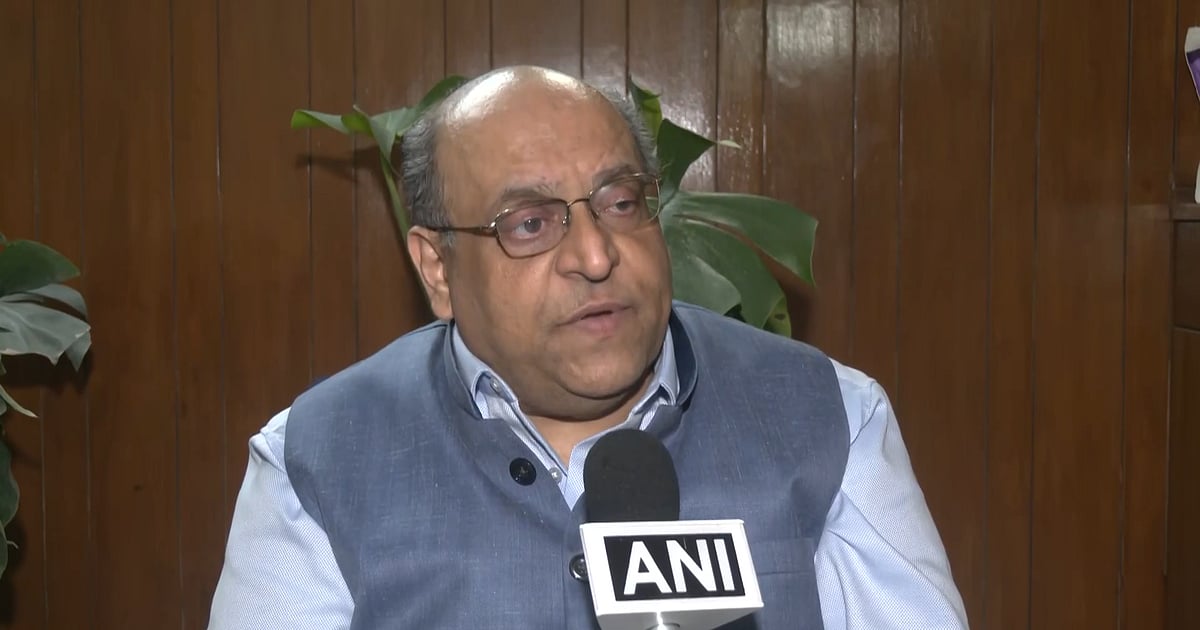
India’s ethanol blending programme is expected to play a significantly larger role in strengthening energy security, reducing agrarian distress and supporting climate goals in the coming years, according to Vikram Gulati, Country Head and Executive Vice President for Corporate Affairs and Governance at Toyota Kirloskar Motor.
While speaking with ANI, Gulati said E20 fuel will become the standard petrol blend and is already compatible with both old and new vehicles.
Visit newsbetsport.bond for more information.
He noted that all vehicles sold in India after April 1, 2023 are designed to be fully compliant with E20 fuel.
However, he clarified that higher ethanol blends such as E85 and E100 are not suitable for regular vehicles and will require flex-fuel engine technology.
#WATCH | Delhi: On ethanol, Vikram Gulati, Country Head and Executive Vice President (Corporate Affairs and Governance) of Toyota Kirloskar Motor, says, "Every vehicle sold in the country after 2023 is E20-compliant. Even vehicles from before 2023 can run on E20 without any… https://t.co/HoGNOpOgGI pic.twitter.com/XGyQ9V26gV
— ANI (@ANI) July 3, 2026
Gulati explained that India’s ethanol strategy originated from its long-standing energy deficit.
He said the country imports large volumes of crude oil, which negatively impacts the economy and the environment, while also exposing India to global supply disruptions, such as those seen during recent geopolitical tensions in West Asia.
The programme gained momentum after 2018, when the government linked ethanol production to addressing farm distress.
Gulati said surplus agricultural produce, including sugarcane, rice and molasses, was often wasted or required costly exports.
Instead, the government promoted ethanol production as a sustainable alternative, benefiting both the energy sector and agriculture.
Toyota Kirloskar Motor Calls For Multi-Technology Approach To Green Mobility In IndiaHe highlighted that the ethanol programme has already generated savings of around ₹1.9 trillion, with nearly ₹1.6 lakh crore directly benefiting farmers.
According to him, farmer incomes have improved significantly in states such as Uttar Pradesh and Bihar, where sugarcane production is high.
On environmental impact, Gulati described ethanol as a carbon-neutral fuel. He explained that the carbon dioxide emitted during combustion is offset by the CO₂ absorbed by crops during their growth cycle, making ethanol a cleaner energy source compared to fossil fuels.
Responding to concerns about vehicle damage and efficiency, Gulati said misconceptions about ethanol are widespread.
He cited a 2021 Automotive Research Association of India (ARAI) study which found that any impact on older vehicles is minimal and not significant.
He also acknowledged a small reduction in fuel efficiency, estimated at 2–4%, but said it is often exaggerated.
Addressing environmental concerns around ethanol production, he added that Indian plants operate under strict environmental clearances, function as zero-effluent facilities, and reuse by-products like bagasse, making the production process environmentally sustainable.