South Africans to pay more on their debt repayments as Sarb hikes interest rates
· Citizen
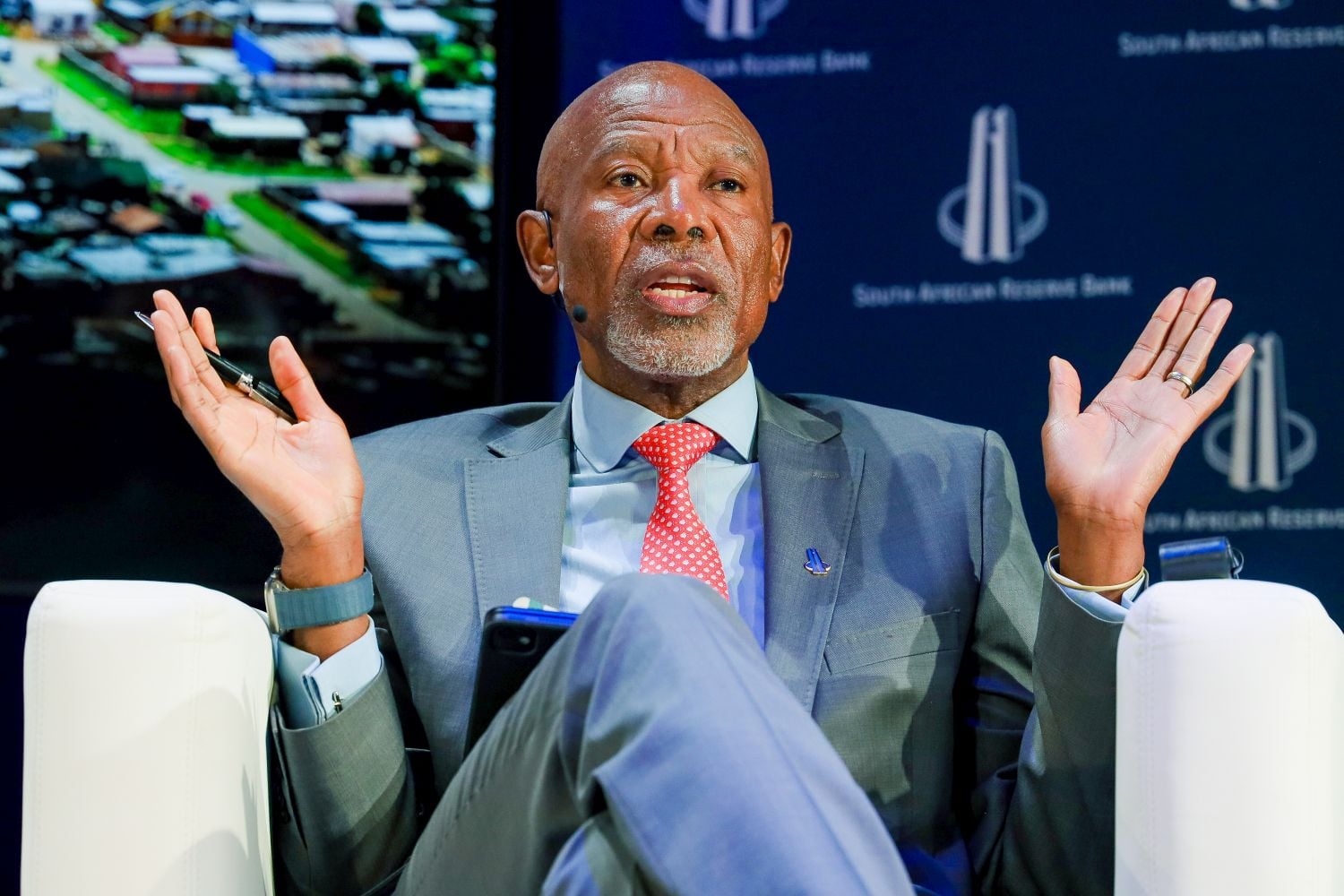
The South African Reserve Bank (Sarb) delivered bad news for households by hiking interest rates by 25 basis points on Wednesday. Governor Lesetja Kganyago said the Monetary Policy Committee (MPC) unanimously made the decision.
The hike is effective from Friday, 25 September 2026.
Visit mchezo.co.za for more information.
The Reserve Bank is increasing interest rates to cool rising inflation and protect the rand’s purchasing power. Inflation currently sits at 4.4%, while the Reserve Bank has an inflation target of 3%, with a 1% tolerance on either side.
Tertia Jacobs, treasury economist and fixed income specialist at Investec, told The Citizen that the hike is more of a risk-management response.
“A 25-basis-point increase is a risk-management response rather than the start of an aggressive hiking cycle,” she said.
Kganyago said multiple times while delivering Wednesday’s decision that they cannot wait until the second-round effects are present, because then it will be too late to act.
Global economy not in a healthy state
The Reserve Bank governor noted that the global environment remains challenging and uncertain, leaving the global economy in an unhealthy state.
“Since our last meeting, the Middle East conflict has escalated further. Not much oil is getting through the Strait of Hormuz. Meanwhile, oil exports from Saudi Arabia are being interrupted by fighting in Yemen.
“Furthermore, the Russia-Ukraine war is causing ongoing destruction of refinery capacity, and also affecting food exports through the Black Sea. These geopolitical events add up to a large, negative and persistent global supply shock, creating additional inflationary pressures.”
The world hikes interest rates
The Reserve Bank’s decision to hike interest rates comes days after multiple central banks, including the European Central Bank, the Bank of Japan and the United States Federal Reserve, hiked interest rates for the first time in three years.
Kganyago said global shocks continue to hurt the country’s economy.
“The data has now shown that the economy contracted in the second quarter by 0.2%. We still expect a rebound during the second half of the year, with annual growth projected at 1.2%,” he said.
“We continue to project growth of around 2% over the medium term. This is based on global conditions stabilising, and domestic reforms delivering a better business environment. Our assessment is that growth risks are skewed to the downside.”
The main reason inflation keeps rising is rising fuel prices, which has led the Reserve Bank to hike interest rates. Kganyago said headline inflation will likely be above 5% later this year and early next year, before slowing as the fuel shock recedes.
“We currently expect inflation to be back around 3% towards the end of 2027.”
Food inflation remains the lowest since 2010
Kganyago added: “In contrast to fuel, inflation developments in food and core goods have been more favourable. Import prices remain contained, with help from the rand, which has been notably resilient throughout the year.
“Meanwhile, food inflation is at its lowest since 2010. This reflects strong harvests, as well as a levelling off in meat prices following the outbreak of foot-and-mouth disease. We may start to see drought pressures from El Niño soon, but for now agricultural conditions are broadly favourable.”
However, he noted that services inflation remains elevated.
“Some of this reflects temporary pressures, for instance, in transport. But we also see price hikes well above the 3% inflation target in many other categories. These increases often do not reflect a true picture of where inflation has been and where it is going. “
The governor noted that 2026 is proving to be a difficult year for the global economy, and for South Africa. Geopolitical conflicts, particularly the war in the Middle East, have caused severe negative supply shocks that weaken output and raise inflation. The country’s growth recovery has slowed, while inflation has increased well above our target.
Protecting households from second-round effects
Kganyago said increasing rates is to protect households from second-round effects.
“Our approach is to look through the initial effects of price shocks, while ensuring that they do not entrench higher inflation.
“Unfortunately, large and sustained shocks, like those we are experiencing now, are more likely to trigger second-round effects, where individual price changes evolve into widespread increases. To prevent this, we are adopting a more restrictive monetary policy, with rates above longer-term levels.”
Second-round effects are the indirect price and wage increases that happen across the economy after an initial supply shock, such as a spike in global oil prices.
Higher debt repayment
As of Friday, the repo rate will be 7.25%, while the prime lending rate will be 10.75%. Simply put, people will pay more on their debt.
However, Stephan Potgieter, CEO of BetterHome Group Mortgage Origination and BetterBond, said homeowners will still pay less than what they did in 2023 when prime lending was 11.75%.
“Although this isn’t the outcome households were hoping for, the increase should be viewed as a precautionary measure to absorb any potential oil price shocks amid ongoing hostilities in the Middle East,” he said.
“And while the prime lending rate is now 10.75%, it remains below the levels seen in 2023, when it reached 11.75%. That means homeowners are still paying less on their bonds than they were three years ago. For someone with a R2 million bond, the difference is just over R1 360 less each month.”