Celebrate Navratri With Wooden Street: Upgrade Your Workspace With Comfort & Style
· Free Press Journal
By the fifth night of Navratri, Meera’s feet are fine. It’s her back that gives up. She dances till eleven, sleeps badly, and then sits at the same office chair from nine to six. Her colleague Rohan has the same problem, except his is the neck.
Visit freshyourfeel.org for more information.
Neither of them blames the desk. Nobody does. But a lot of this tiredness starts there.
Nine Nights, Same Desk
Festival weeks are odd. Work doesn’t slow down, but everything around it speeds up. Someone leaves early for aarti. Someone else is replying to emails while the dhol plays in the next lane. At home, students are revising for exams with garba music coming through the window.
And the desk takes it all in. A laptop, a half-finished chai, a small diya someone placed there in the morning, a box of prasad nobody has opened yet. It’s crowded, and the person sitting there ends up hunched over a tiny patch of free space.
The Table Comes First
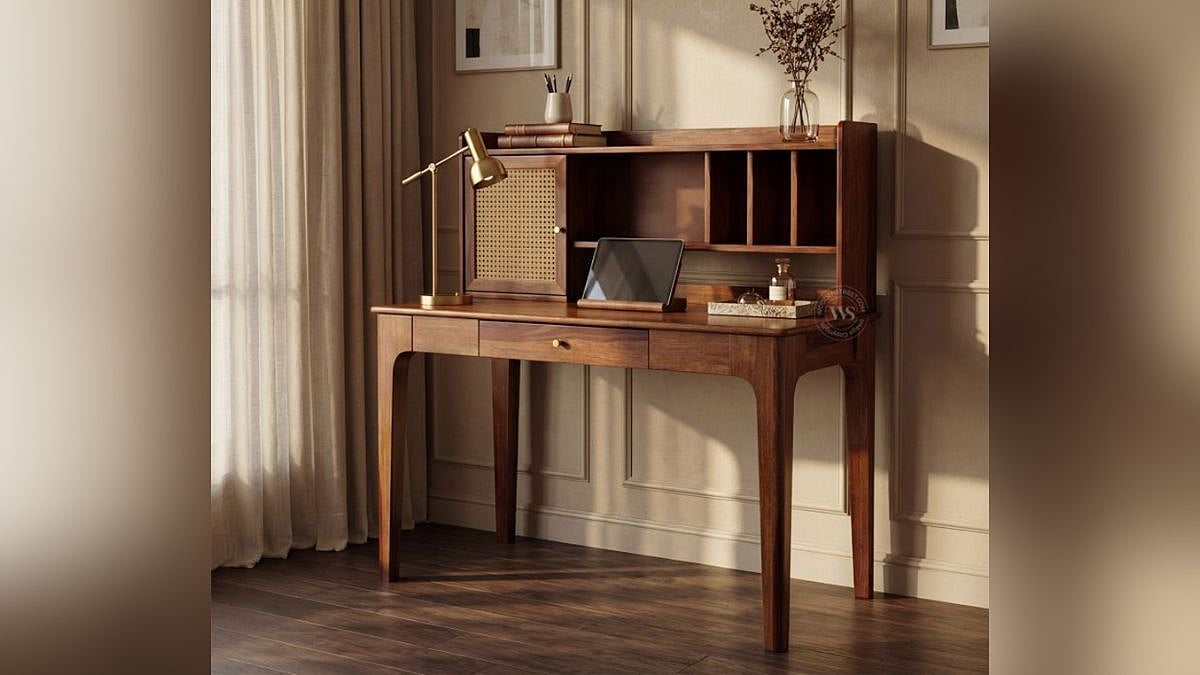
A table doesn’t have to be grand. It just has to fit the way a person works. Enough space for a laptop and a notebook. A spot for the water bottle. Maybe a drawer so the chargers stop hanging off the edge like roots.
People picking a study table usually look at size and colour first. Height deserves more attention than it gets. If the top is a little too high, the shoulders slowly climb towards the ears. A little too low, and the spine curls forward by afternoon. Neither feels bad at first. By evening, both do.
When people pick up a study table, they usually look at size as well as colour first. Height deserves more attention than it actually gets. If the top is a little too hight, then the shoulders slowly climb towards the ears. A little too low, plus the spine curls forward by afternoon. Neither feels bad at first. By evening, both do.
Kids notice this too. Even if they can’t see it. A child who studies on a wobbly, crowded table gets restless in a faster manner. A clean desk in a quiet corner gives them a reason so as to sit down and open the book.
Chairs Are Underrated
Ask ten people what they spent time choosing, and nine will say the table. The chair gets picked in a hurry, usually because it matched something. Yet it holds a person up for seven or eight hours every working day.
Feet flat on the floor. Lower back supported. Arms resting at an easy angle. Miss one of these and the body starts complaining within a week.
Buyers often start by searching for an ergonomic office chair price, and the numbers here can differ a lot from one model to the next. A better first step is deciding about what matters. Back support, cushioning, height adjustment, wheels that roll without squeaking. A chair that looks sharp but feels like a plank after an hour isn’t cheap at all, whatever the tag says.
There’s an old trick for testing one. Sit for ten full minutes. Lean back. Cross the legs, uncross them. Reach for something on the table. If it still feels right, it probably will at hour six.
Small Corners Count
Most homes don’t have a separate study room. The desk ends up at the end of a hall, beside the dining table, or squeezed between a bed and a window. That’s okay.
A spot near the window is a good pick, since daylight is easier on the eyes than a tube light. If the laptop sits too low, a couple of thick books which are kept underneath can raise it. And a bit of space behind the chair means that there is no scraping against the wall every time someone stands up.
None of this has to look dull, either. It’s Navratri. A bright dupatta spread on one corner, a small brass lamp, a few marigolds in a steel glass. The desk can carry a little of the festival without turning into a puja room.
Why Wood Works Here
Wooden furniture settles a room. It has a warm look, goes with older homes and newer flats alike, and feels solid when someone leans on it. A desk gets pushed, pulled, written on and used as a footrest. It needs to take that.
Festival colours sit well beside it too. Orange, red, yellow and green all look natural against a wood finish, which is probably why Indian homes have leaned on it for so long.
Seeing It Helps
Photos can fool anyone. A table that looked huge online may turn out compact. A chair that seemed soft may feel firm. A finish can look almost a different colour in daylight.
So plenty of buyers still walk into a store. At Wooden Street, for example, shoppers can sit on a chair, check how high a table stands and compare finishes next to each other. Carrying the room measurements saves time. Bringing the person who will use the furniture every day saves even more, because they notice things others miss.
After the Last Dandiya
The festival ends, the decorations go back into the box, and life returns to its usual pace. The desk and chair stay where they were, doing the same job every morning.
That’s why a little attention to them now is worth it. A few small changes, and the long days feel lighter, with more energy left for the evenings.