Cisco’s chief will terminate a meeting if you use certain acronyms in his presence—he says new hires ‘feel too stupid to ask’ what they mean
· Fortune
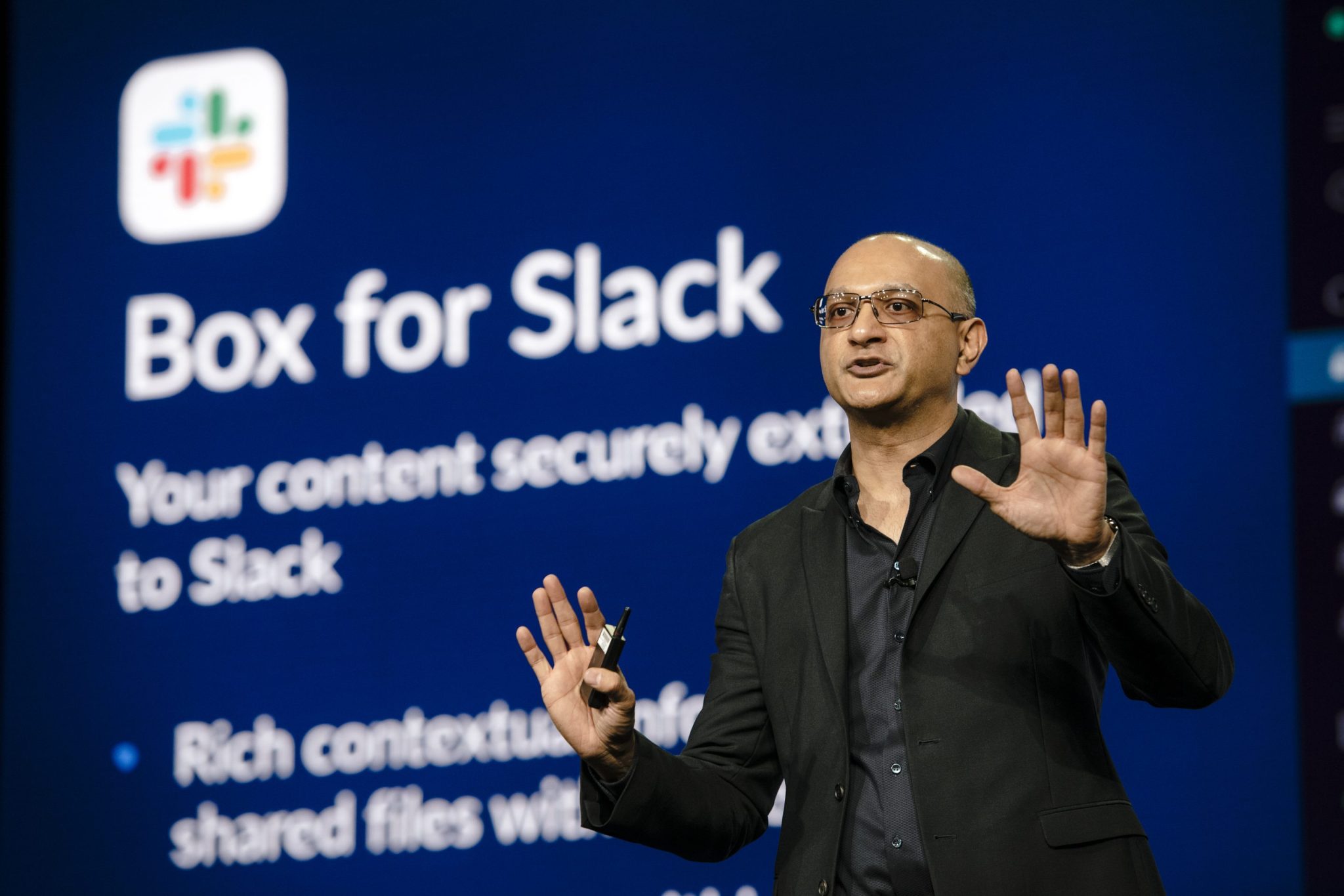
So you’ve heard of KPI, ROI and EBITDA. But use the wrong acronym in front of Cisco’s president and your meeting could be killed—especially if it’s one that nobody outside the building understands.
Visit afnews.co.za for more information.
“I don’t like acronyms, especially Cisco-manufactured acronyms that happen at runtime,” Cisco’s president and chief product officer Jeetu Patel told Fortune at a small roundtable dinner.
“If there’s a meeting and there’s acronyms that are used, there are times that I’ve just terminated the meeting.”
Patel jokingly pointed to a time he noticed staff saying “you have to get JP to approve”—without knowing they were referring to him. “I’m like, who’s JP? He’s like, that’s Jeetu Patel. I don’t even go by JP.”
But his distaste for needlessly shortening phrases and long sentences goes beyond giving bosses nicknames. He sees it as a real barrier to who feels able to speak up in a meeting.
“I actually think that using acronyms that are not industry standard is a very non-inclusive thing to do,” the Fortune 500 boss added.
Why Cisco’s president thinks acronyms are not inclusive
Patel’s view of abbreviations and in-house acronyms comes down to simple maths.
Imagine if every year around 10% of workers leave the business. (The average attrition rate for U.S. workers between 2024 and 2025 was even higher at 13%.) By Patel’s estimate, 5% to 10% attrition at Cisco’s scale would mean about 9,000 new people a year—or 27,000 in three years. He said that would add up to a third of its entire workforce.
And all of them will have to learn the company-specific terms tossed around casually in meetings. Or, just nod along and pretend to understand them. Most people, Patel suggested, do the latter.
“They don’t know all the colloquial acronyms that we’ve come up with, but they feel too stupid to ask because they don’t want to be intrusive and invasive in a meeting,” he explained. “And so, what ends up happening is they don’t know, so they’ll just keep quiet.”
“So now people are talking past each other, and you’ve got a third of the population that does not feel comfortable asking what that means, and the two-thirds that are using the acronyms feel like that’s superbly efficient. But how is anything efficient that a third of your company does not even understand what you’re talking about?”
His fix is to hand new hires the power to stop the conversation. “You have full agency to stop any meeting at any point in time if the communication is not clear,” he tells them at orientation. And for senior leaders like himself, he thinks if you can’t make yourself understood by everyone, “you don’t deserve to be in the seat that you’re in.”
“I’m a big believer in that,” he added. “You have to be able to speak in easy enough terms that everyone can understand.”
Cisco’s president isn’t the only CEO with meeting rules—Jeff Bezos has no PowerPoints and Jamie Dimon says no emails
Jeetu Patel isn’t the only boss with firm views on how meetings should (or shouldn’t) run.
Amazon founder Jeff Bezos has long run what he calls “the weirdest meeting culture you ever encounter”—including no PowerPoints. Instead, meetings start with a six-page memo where everyone has to read in silence for 30 minutes before anyone speaks, so nobody can “pretend to do the reading.”
“Now we’re all on the same page. We’ve all read the memo, and we can have a really elevated discussion,” Bezos said on the Lex Fridman Podcast.
United Airlines CEO Scott Kirby caps his meetings at four hours a day, and wants the ones he does attend to be “quick” and “almost all conversational.”
He also has a firm line on slides. “If you want to send a deck, send it to me in advance, and then we’re just going to talk about it,” Kirby told Semafor. “But you’re not going to read slides to me.”
AT&T’s John Stankey similarly wants staff to do the homework before the meeting and come ready with ideas to share—or not come at all.
“Don’t walk in there and just be an observer,” Stankey said in a LinkedIn interview. “When you have a point of view, it shouldn’t just be some uninformed opinion. It should be a point of view that’s built on facts, information, and data. I crave that.”
And then there’s JPMorgan’s CEO Jamie Dimon, who doesn’t just expect his staff to do the pre-reads. “When I go to a meeting, I’ve done the pre-reads, and you get 100% of my attention,” he said at Fortune’s Most Powerful Women summit. So if staff members show up unprepared or don’t give the room their full attention, he will personally tell them off.
“If you have an iPad in front of me and it looks like you’re reading your email or getting notifications, I tell you to close the damn thing,” he added. “It’s disrespectful.”
This story was originally featured on Fortune.com