Loved Diwali, But Need A Holiday From It? Let’s Talk Festival Fatigue
· Free Press Journal
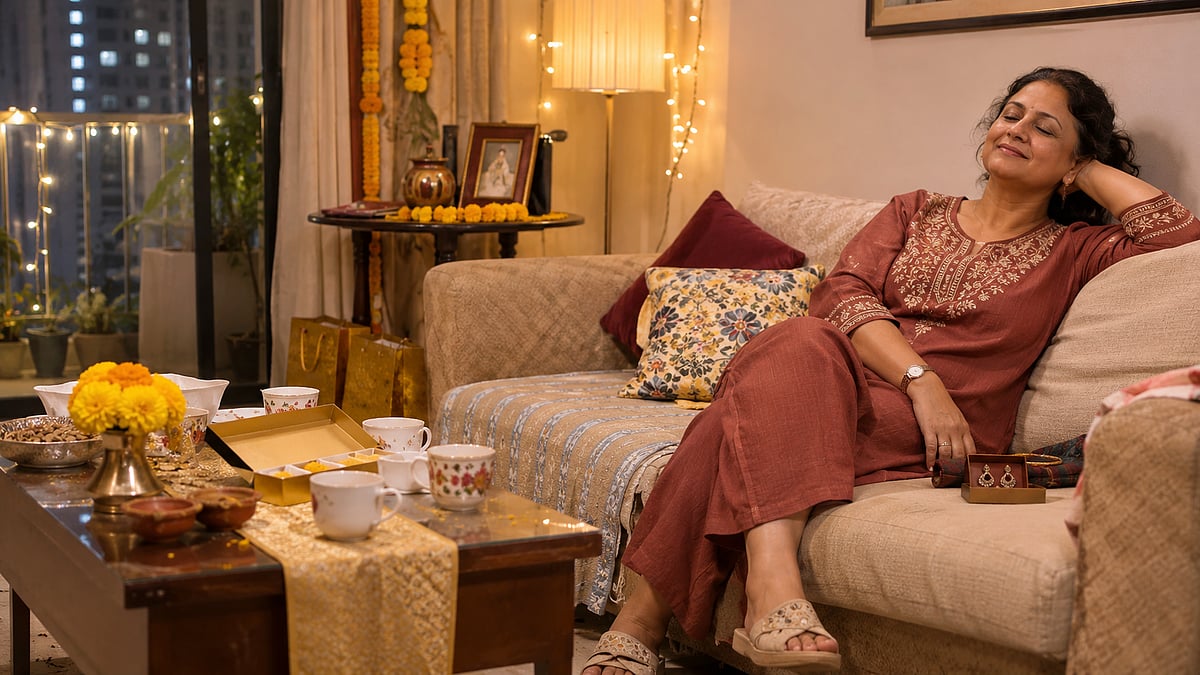
You enjoyed the lights. You loved meeting everyone. You may even have enjoyed dressing up. But if someone suggests one more gathering, would you rather stay home in your oldest pyjamas?
You can love Diwali and still be relieved to have an evening with no plans.
Festivals promise food, company and a break from routine. Rest, however, can be surprisingly difficult to fit in. By the time you have cleaned the house, bought the gifts, coordinated the visits and answered “What time are you coming?”, the holiday has acquired a fairly demanding job description.
Call it festival fatigue: a useful description of feeling physically and emotionally worn out by the celebrations, rather than a diagnosis in itself.
And the work often begins long before the first diya is lit. There are cupboards to sort, things to discard and bags of belongings waiting for someone who might want them. Then come the smaller decisions that somehow occupy the whole day. What to wear. What to gift. What to cook. Whom to visit. Whether you can manage two dinners on opposite sides of Mumbai.
Somewhere in that calendar, you are also supposed to be having a wonderful time.
Even The Fun Takes Planning
Media professional Anjali Singh knows the difference between everyday housework and Diwali housework. On an ordinary day, cleaning fits between personal and professional calls. During the festival, it takes up considerably more space in her head.
“When it comes to Diwali cleaning, it feels different. It is a different kind of pressure,” she says. “You are constantly thinking about shopping.”
Even a small gathering can feel part of a much bigger rush. You may invite only a few friends and relatives, but step outside and everyone seems to be shopping, travelling or preparing for something.
For Singh, that feeling begins about a fortnight before Diwali and can take another ten days after the festival to subside. “It takes time to die down and move out of your system, physically and mentally.”
Delivery services have made some tasks easier. They have not necessarily quietened the running list of things to do.
“Even after all these conveniences, something keeps you on your toes when you are supposed to be relaxed,” she says.
Her verdict on festival fatigue is straightforward: “I do experience it. I don’t know how to deal with it.”
Visit betsport24.es for more information.
Mumbai psychiatrist Dr Harish ShettyMumbai psychiatrist Dr Harish Shetty connects this exhaustion to shrinking families and growing expectations. There are fewer people to share the work, while shopping, social comparison and the pressure to please can keep adding to it.
“This has caused a lot of peer pressure to do one’s best,” he says. “As everyone is under the arc lights, social media scrutiny also hurts.”
The result can be a celebration that feels as though it must be organised and presented beautifully, with the effort kept out of sight. His list of pressures includes buying, travelling, school examinations and “the compulsion to perform”.
He also points to unequal responsibilities within families. When one parent carries the preparations and the other is occupied with earning, the occasion can become another source of strain. Who is doing the work matters as much as how much work there is.
When You Want Quiet, And Then Miss The Noise
Relief is only one possible response. For some, the sudden silence after a busy celebration is unsettling.
“There’s a strange kind of loneliness that creeps in after Diwali,” says digital marketing professional Jalak Gala. “After days of celebrations, endless food, people, laughter and socialising, everything suddenly goes quiet.”
The calendar that seemed impossibly full can suddenly look rather empty.
“And you find yourself wondering, why did it all have to end so soon?”
Dr Prajakta Gupte, Consultant, Psychiatry, at Jupiter Hospital, Thane, explains that the strain can extend beyond physical tiredness. Packed schedules, constant socialising, family commitments and money worries leave little room for personal downtime. Add “the expectation to be cheerful throughout”, and even enjoyable occasions can become emotionally demanding.
Irritability, difficulty concentrating, disturbed sleep, low motivation and feeling overwhelmed can accompany that exhaustion. Wanting some time alone may be a sign that you need a break, rather than another engagement.
But the label should not become a way of dismissing symptoms.
“Ordinary fatigue generally improves with adequate rest and a little time away from social demands,” Dr Gupte says. If low mood, anxiety, poor sleep or exhaustion persist after the celebrations settle and affect everyday functioning, she advises seeking professional help.
Ongoing or unexplained tiredness also deserves medical assessment. Chest pain, severe breathlessness or fainting should never be brushed aside as festive exhaustion and may require urgent care.
You Don’t Have To Accept Every Invitation
Dr Shetty’s starting point is refreshingly short: “Do what you can. Do not compete.”
That means deciding what you can comfortably spend, sharing the preparations and making room for enjoyment rather than trying to impress everyone. Children can join in with suitable tasks, too. The celebration need not depend on one person remembering, arranging and clearing everything.
“Together you enjoy and together you share the tasks,” he says. “Fun and joy will multiply.”
Dr Gupte suggests taking the same approach to the calendar. Every invitation does not have to become a commitment.
“It is perfectly fine to step back from a few gatherings and give yourself some breathing space.”
A little recovery need not become another elaborate project. Keep sleep times reasonably consistent. Eat regular meals, drink water and leave gaps between engagements. Take a short walk, spend 15 to 20 minutes quietly, or do something you enjoy without having to organise it for anyone else.
And say when you are tired. People may see you smiling at dinner without knowing that you have been on your feet since morning.
“Festivals are meant to be enjoyed, not endured,” Dr Gupte says. “Giving yourself permission to slow down does not mean you are missing out.”
There will be other dinners, family occasions and invitations. An evening with nothing scheduled can have its own appeal.
The house, at least, is clean.