Why ditching sugar is not enough to keep you healthy
· Citizen
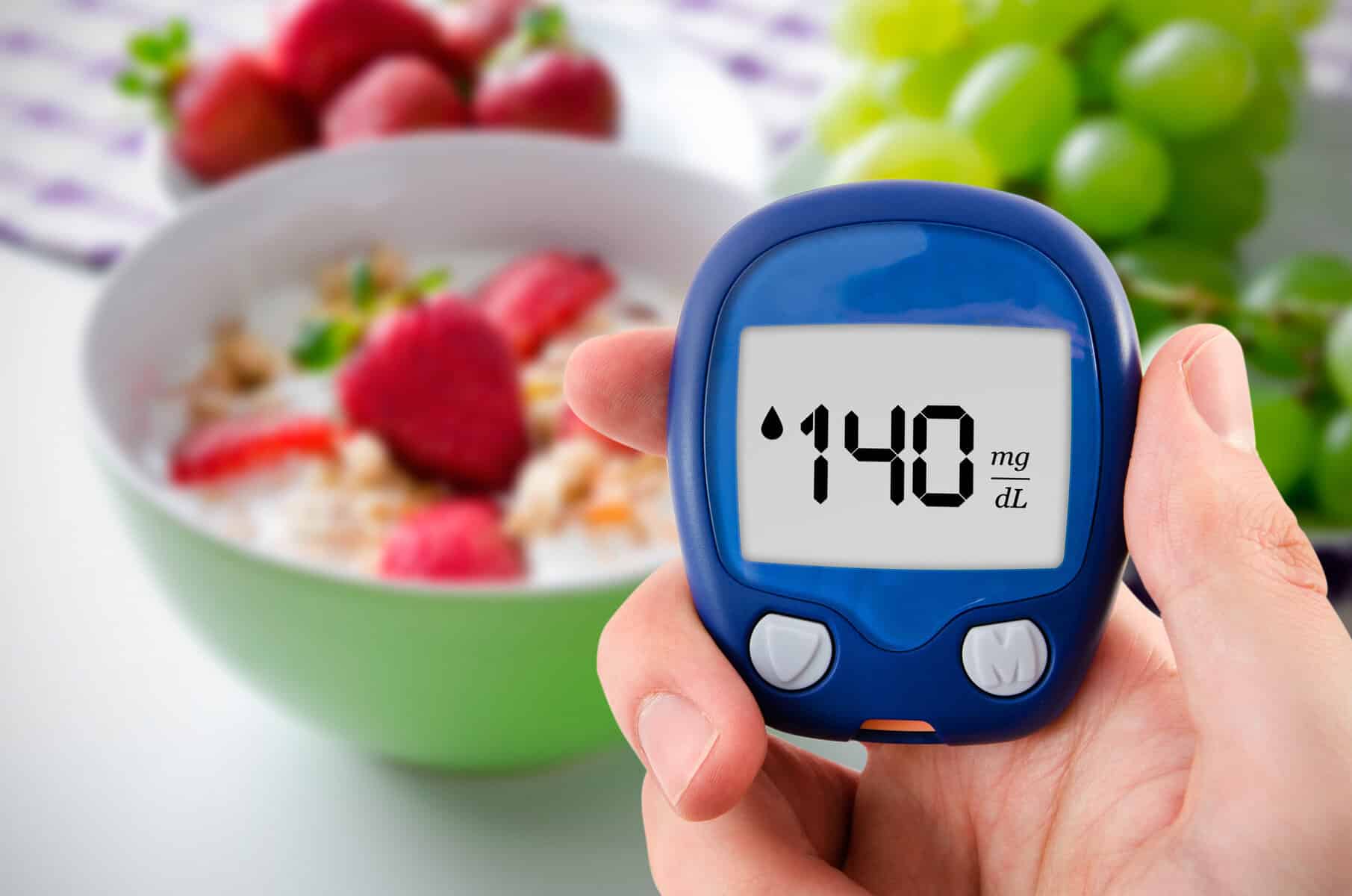
You can ditch sugar in your coffee, stop drinking sweet sodas, and still get your diabetes diet somewhat wrong.
Visit tr-sport.bond for more information.
Carbs like pap, bread, rice and potatoes can play havoc with blood sugar levels, especially when portions are too large.
Diabetes is a balancing act that’s as challenging as summiting Mount Everest.
Nutrition is critically important, of course. But eating better does not have to cost a fortune, said Evan Jones, Doppelherz South Africa’s advising pharmacist and professional athlete trainer.
He said it is possible to eat healthier on a tight budget. This is particularly relevant at a time when fuel prices are at all-time highs and food inflation alone can cause a cardiac arrest.
What are the early warning signs of diabetes?The signs are usually described as small, everyday complaints. Constant thirst, frequent urination (especially at night), unusual tiredness, blurred vision, slow-healing cuts, recurrent thrush or skin and urinary infections, tingling in the feet, and unexplained weight loss.
People buy treatments for each of these separately without connecting them.
The pharmacy is often the first and easiest point of contact, and many of us can do a finger-prick glucose test on the spot. When someone describes two or more of these symptoms, particularly if they have a family history or carry extra weight around the waist, I recommend a test and a clinic visit within days, not months.
How can South Africans eat healthier without spending more?Start with what is already on the plate, then change the proportions rather than the budget. Use a smaller portion of pap or bread, and fill the space with the cheapest vegetables in season, such as cabbage, spinach, carrots, and onion. Frozen or end-of-day vegetables are good value.
Dried beans, lentils, split peas, and eggs are among the cheapest sources of protein and also supply magnesium, zinc, and fibre. Samp and beans, or lentils stirred into the pap meal, slow the sugar rise and stretch the protein.
Choosing fortified maize meal, brown bread or a seed loaf over white bread, and adding a small handful of peanuts or sunflower seeds, adds minerals for very little money.
Tinned pilchards, a cheap source of protein and healthy fats, are another good option.
The aim is not a perfect plate. It is one extra vegetable and one legume or egg a few times a week.
Eating healthy does not have to cost the earth. Picture: Supplied What do people with diabetes get wrong about food?The biggest misconception is that diabetes is only about sugar.
People cut out the sugar bowl and the cold drink, but carry on with large portions of pap, white bread, rice and potatoes, which break down into sugar just as quickly.
Others swing the opposite way and skip meals to keep their readings low, which makes blood sugar swing up and down.
At the counter, people ask the questions they feel are too small or too embarrassing for a ten-minute consultation.
Can I still eat pap? Is it safe to take my tablets if I have not eaten? Can I drink alcohol? Can I take my neighbour’s herbal tea with my medicine? What should I buy for the sugar that is not a medicine? I treat these as real questions, because the answer often decides whether the treatment works.
What can people with diabetes learn from athletes?Athletes treat food as information and fuel. They plan meals, watch portions, eat at regular times, track what works for them, sleep properly and take recovery seriously.
A newly diagnosed person can borrow all of that: routine, preparation, paying attention to how different foods make them feel and treating a walk or a training session as part of the treatment.
An athlete has a coach, a budget, a flexible schedule, and a body that is usually healthy. A person with diabetes has a lifelong condition, often a job with fixed hours, limited money, and medicines that need to be matched to food.
Athletes also sometimes go to extremes that are not safe for someone on glucose-lowering treatment. The lesson is consistency, not perfection: moderate exercise, staying on the prescribed medicines and eating as healthily as possible.
What needs to change about diabetes care in South Africa?I would make the counter a proper part of the care pathway. Pharmacists see patients far more often than doctors do. We notice missed prescription collections, rising doses and early warning signs, but we are rarely connected to the patient’s clinic record.
If we could screen, refer, follow up on adherence and share information with the clinic, many problems would be caught years earlier.
On the plate, the same principle applies: make the healthier choice the affordable one. Early action works only when the next step is within reach.