Last elephant standing and Oupoot’s 36 years of solitude in the Knysna forest
· Citizen
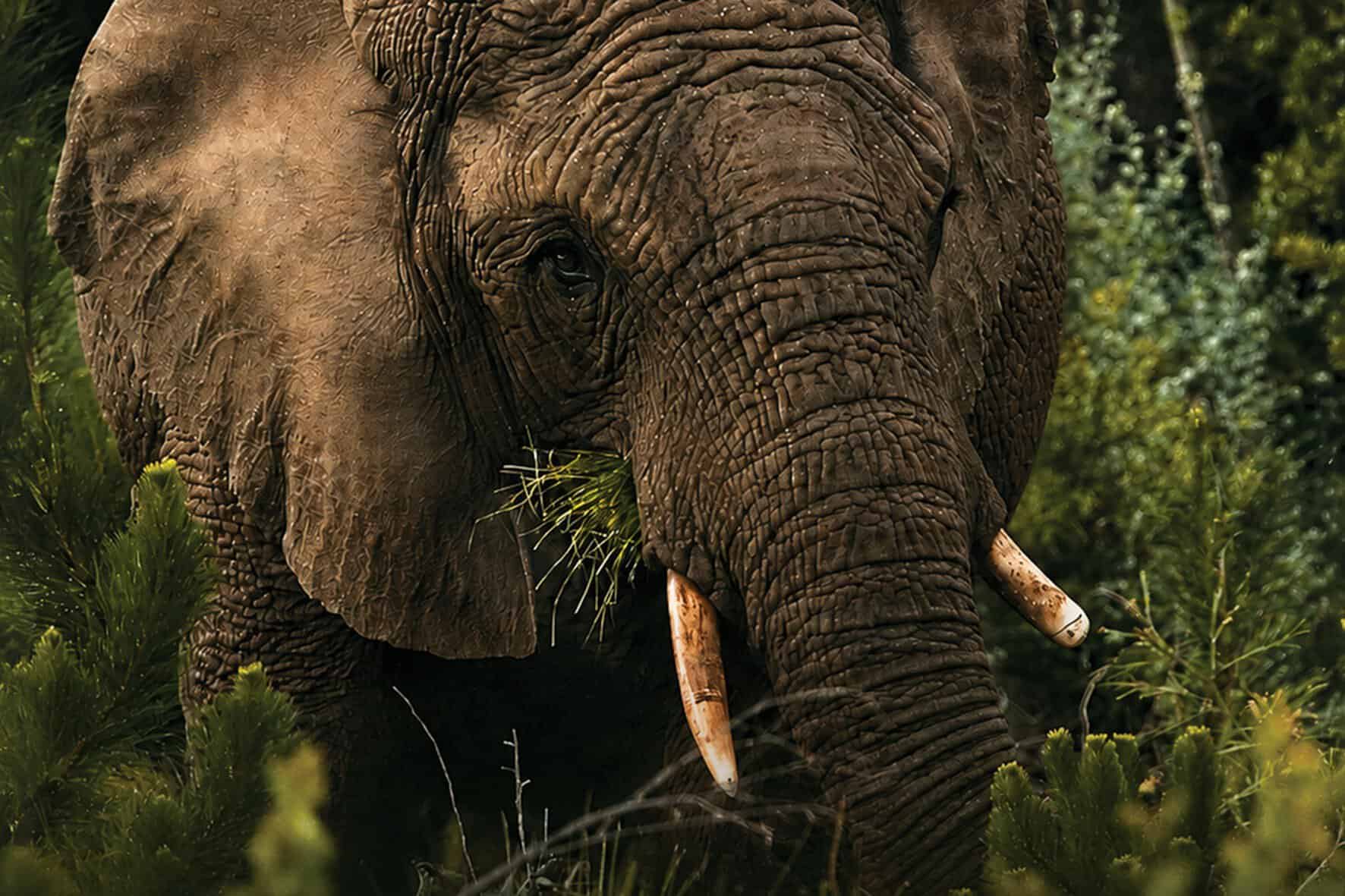
Somewhere in the Knysna forests, an elephant has spent more than three decades without another of her kind.
Visit turconews.click for more information.
Her name is Oupoot, also known as Strangefoot. She is 56 years old and the last surviving member of a population that once roamed the southern Cape.
When she dies, the Knysna elephants’ extraordinary history could disappear with her. But Kempton Park teacher Ryno Joubert has spent eight years making sure that does not happen.
Joubert is a social wciences teacher at Gekombineerde Skool Noorderlig in Benoni and has published The Knysna Elephants: Journey of the Forest Giants.
His book marries historical photographs, scientific studies and eyewitness accounts spanning several generations.
His research also challenges the idea that introducing new elephants into the Knysna forests would necessarily save the population.
He says the habitat cannot sustain a breeding herd and previous attempts to introduce elephants ended disastrously.
Joubert spoke with The Citizen about his journey documenting Knysna’s giants.
Q: What first sparked your fascination with the Knysna elephants?A: My interest began in 2001 when I went on a school tour to the Garden Route with Laerskool Bredell. I was fascinated by the Knysna forests and the elephants that lived there.
As the years passed, I became more interested in their history and the questions surrounding their survival. I eventually wanted to bring together historical records, photographs, scientific studies and the memories of people who had encountered these remarkable animals.
Q: How did you manage eight years of research while teaching in Benoni?A: One of the biggest challenges was conducting research from Kempton Park, so far from Knysna. I relied heavily on historical documents, newspaper articles, scientific studies, photographs and film footage.
I also interviewed retired foresters, former SANParks employees, fern pickers and elephant trackers Wilfred Oraai and Karel Maswati. Many were in their late 70s, 80s or even 90s, so recording their memories was particularly important.
Ryno Joubert, a social sciences teacher at Gekombineerde Skool Noorderlig in Benoni, with his book ‘The Knysna Elephants’. Picture: Supplied Q: What was your most remarkable discovery?A: One of the most fascinating aspects was comparing historical photographs and film footage to establish the identity of individual elephants. I paid close attention to details such as the wrinkles on their foreheads and the worn edges of their ears.
Through these comparisons, I was able to trace the same cow across different periods and identify her as Oupoot, also known as Strangefoot. She was born in March 1970 and is now 56 years old.
Q: Why has Oupoot survived when the other elephants disappeared?A: The last Knysna cow survives because she inherited vital cultural knowledge about how to navigate the forest, which routes are safe and how to avoid people. Relocated elephants would lack this survival knowledge, increasing the likelihood of their wandering into open areas, towns or farmland.
Q. Why would introducing more elephants into Knysna be problematic?A: The forest and fynbos environment is too nutrient poor to support sustained reproduction. In 1994, three young elephants from Kruger were released into the forest. They briefly interacted with the Knysna cow, who rapidly led them along her established trails. Within four days, the youngest calf died from exhaustion and stress related pneumonia. The remaining two left the forest and had to be removed.
The cover of Joubert’s new book: Picture SuppliedQ: What should South Africans understand about the conservation of these elephants?
A: It is easy to become emotionally attached to the idea of having elephants roaming the Knysna forests again, but conservation decisions also need to consider ecological realities. I hope readers will come away with a better understanding of both the remarkable history of these elephants and the environment in which they lived.
Q: What did it mean to finally hold your book after eight years?A: It was a very special and emotional moment. My wife took photographs and videos and my eldest son, who is in Grade 2, wanted to hold the book because it was daddy’s book. Seeing the finished book for the first time made all the years of work feel worthwhile.
Q: What will Oupoot’s legacy be when she is no longer alive?A: An animal’s life is finite, but the knowledge and memories we preserve about it can live on for generations.
I hope that, long after Oupoot is gone, this book will help ensure that she is not forgotten. Future generations should understand that she was more than just the last elephant in the Knysna forests.
She represents an extraordinary chapter in South Africa’s natural history.