Banks turn to location intelligence to make life more difficult for fraudsters
· Citizen
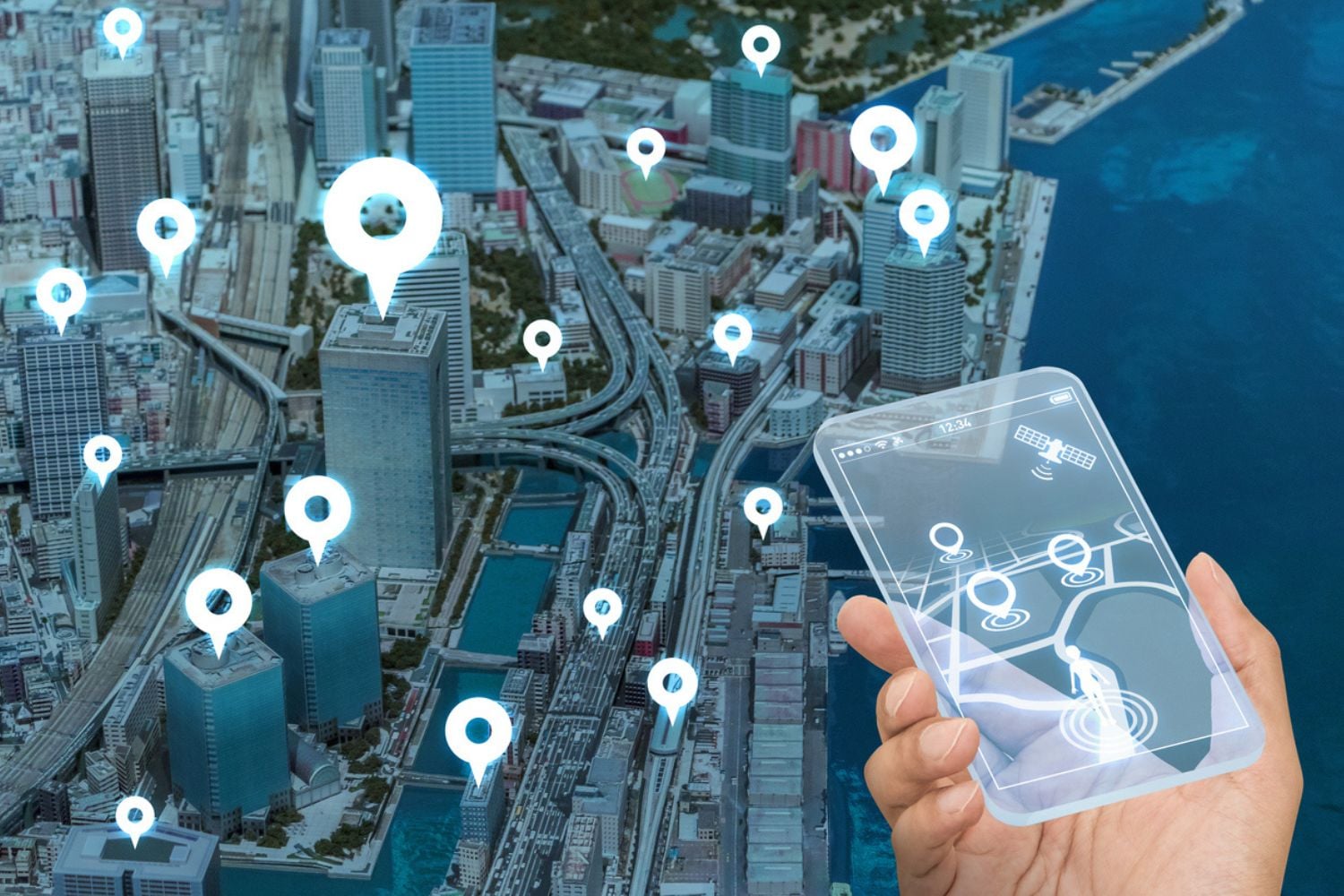
Fraudsters can forge documents, but they cannot forge reality, and banks are turning to location intelligence to expose the lies that paper trails can hide.
Visit biznow.biz for more information.
That is the principle driving a new wave of fraud detection in South Africa’s banking sector, where location intelligence is emerging as a powerful tool to verify information against the physical world.
Financial crime
Financial crime is evolving fast, and generative AI has added a new layer of risk. Fraudsters can now produce convincing synthetic identities, falsified company registrations, and even deepfake documents that appear legitimate on paper.
But as Marna Roos from AfriGIS points out, “Fraudsters will always follow the path of least resistance, and spatial reality is expensive to fake”.
Unlike a forged ID or AI‑generated paperwork, an address that doesn’t exist or a property valuation that makes no sense cannot be hidden once checked against physical data.
This is where location intelligence becomes critical: by cross‑referencing customer information with real‑world spatial datasets, banks can expose mismatches between digital claims and physical reality, making fraud far harder to sustain.
Checking locations
Roos said by cross‑referencing addresses, property values, and business locations with spatial datasets, banks can spot anomalies that ordinary checks miss.
“Everybody has a spatial fingerprint. Every time you enter your address at the bank, we can derive its spatial location. Every time you swipe your card, a location is attached. Through time, it creates a footprint that proves you are really living where you say you are.”
She said that impossible addresses are among the clearest signals.
“The format looks perfect: a street name, a suburb, a number. But when you explore that suburb, the street numbers only reach 15, which means number 50 cannot exist,” Roos notes.
Similarly, a company registered on paper may lead to a vacant farm plot with no commercial activity.
Spatial intelligence
Roos said beyond deed records, spatial intelligence adds context.
“A deed’s record tells you who owns a stand and what they paid. It does not tell you whether the price makes sense for its location. We add the street address, the real‑world anchor, and suddenly a R10 million valuation in a R500 000 area becomes an immediate red flag,” Roos explains.
With South Africa’s grey listing experience intensifying compliance pressures, Roos said the shift is clear. “Banks will move from a tick‑box exercise to compliance that is defensible in a court of law.”
Roos said fraud syndicates will adapt, but consistent updates and cross‑referenced datasets make spatial reality far harder to fake.